// Implement Goggle tag // Implement Google analytics

Automation division

Our automation products for various industries

We are pioneers in delivering tailor-made automation solutions that precisely align with each customer’s unique production requirements. Designed to significantly enhance productivity, our systems integrate advanced technology with practical functionality. Backed by our in-house production capabilities, we have a first-hand understanding of the real challenges manufacturers face, allowing us to engineer solutions that address exact operational needs.

Our primary objective is to create automation setups that eliminate unnecessary manual intervention, optimize production flow, and consistently deliver the highest possible output.

Every solution is engineered for reliability, user-friendliness, and ease of maintenance, ensuring sustained performance and minimal downtime throughout its lifecycle.

Automation Range

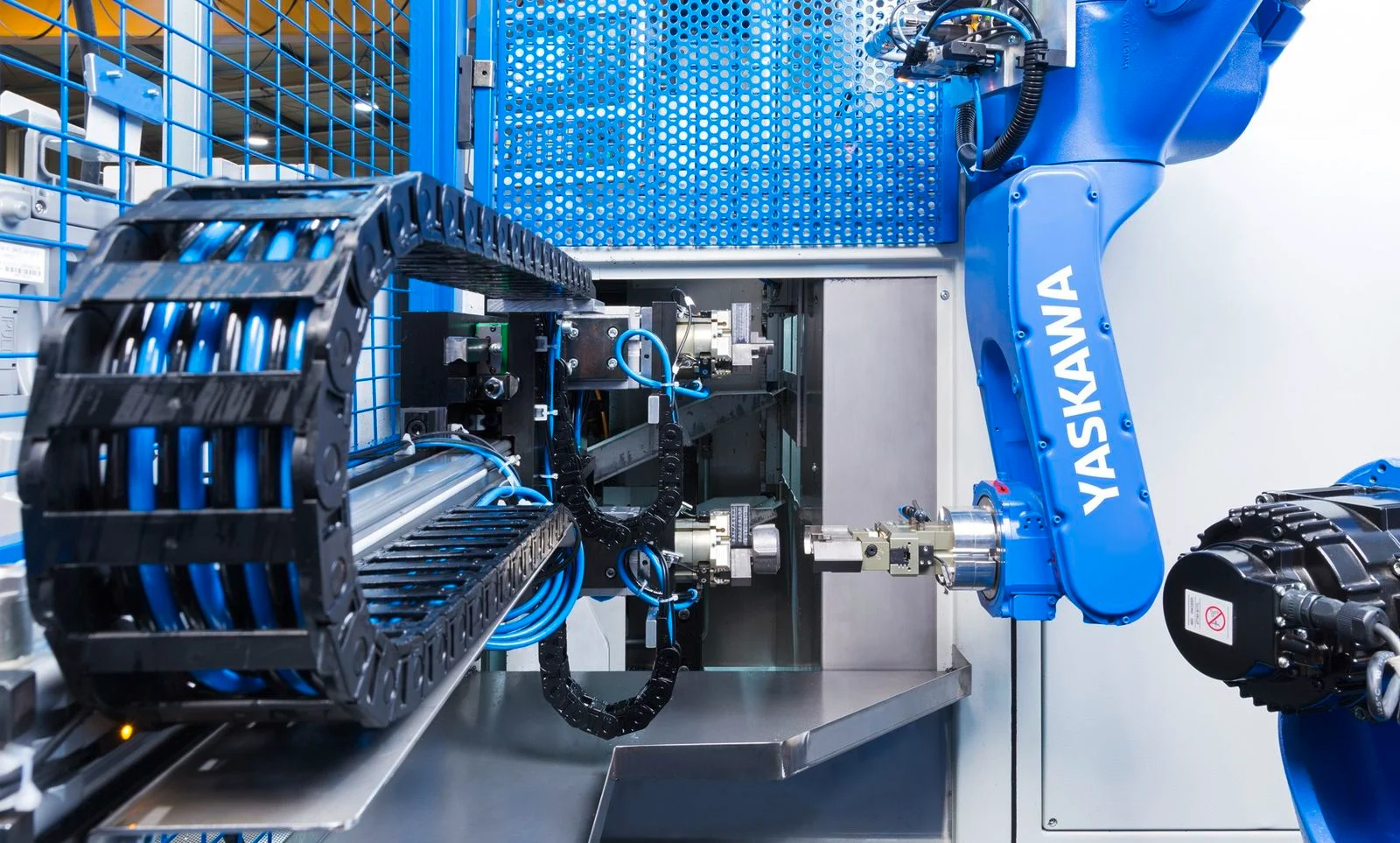
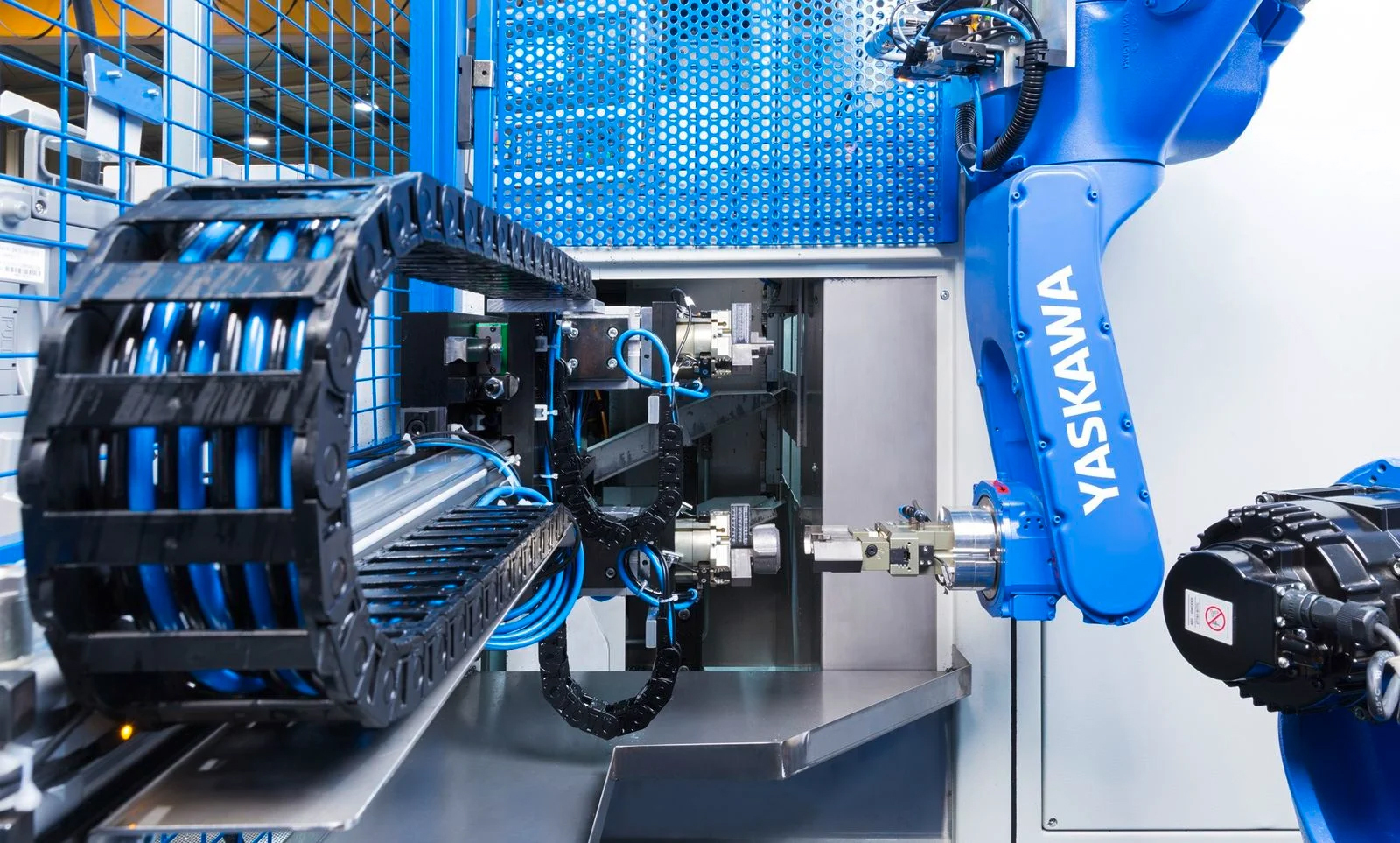
Robotic Cell

Industrial robots are designed to perform repetitive, high-precision and hazardous tasks in manufacturing and production industries. They are widely used in industries such as automotive, foundries, electronics, metal fabrication, food processing, and pharmaceuticals.

Industrial robots increase productivity, reduce labor costs, enhance product quality, and improve workplace safety by handling dangerous and repetitive tasks.

Benefits:

  • High accuracy and repeatability
  • 24/7 operation with minimal downtime
  • Enhanced process consistency
  • Increased productivity
  • Integration capability with PLCs and CNC systems
  • Reduced labor costs
  • Enhanced workplace safety

Areas:

  • Machine Tending
  • Loading-Unloading of components
  • Pick & Place of components
  • Welding Applications
  • Painting Applications
  • Foundry Applications
  • Packing and Handling

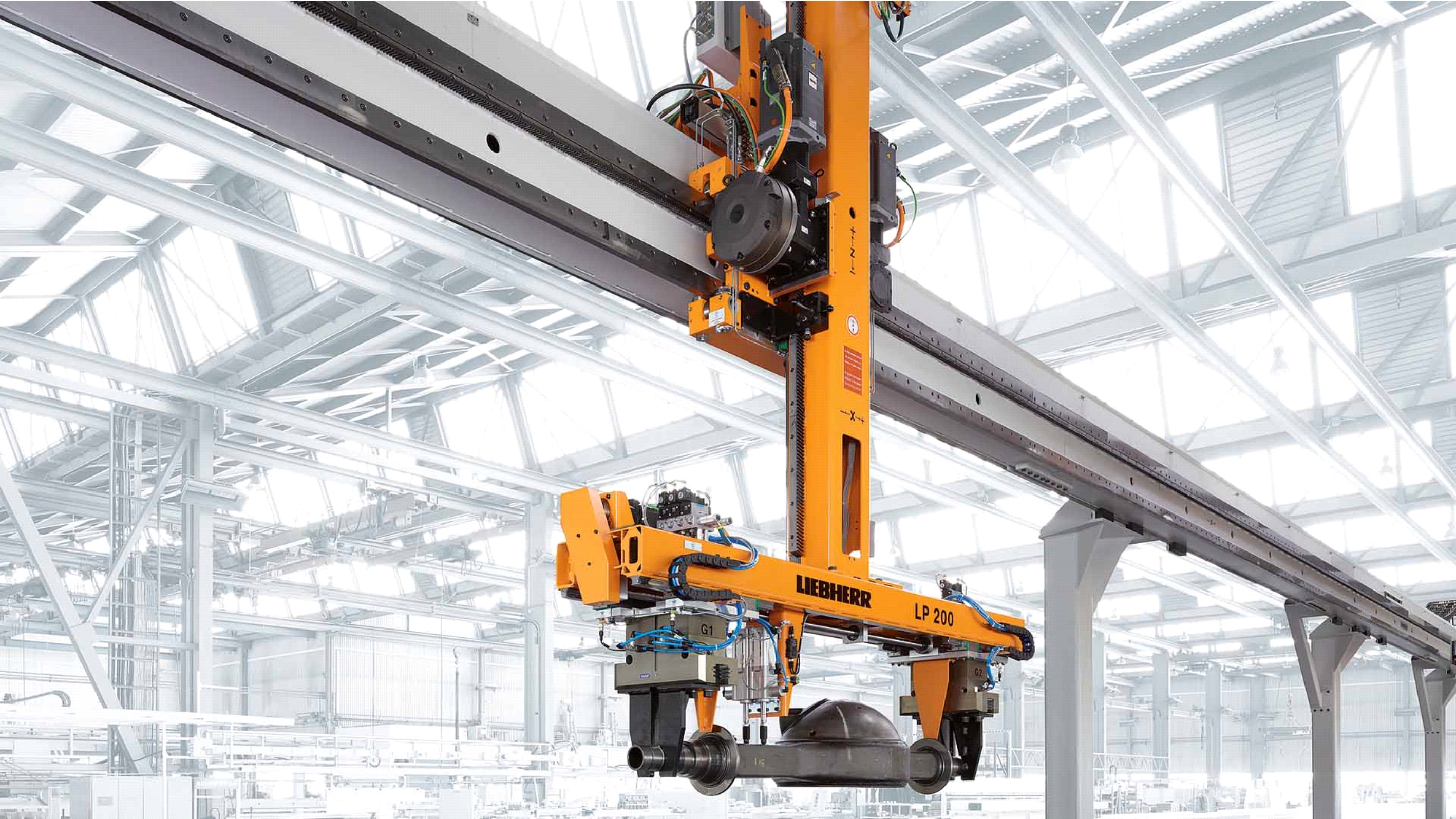
Gantry System

An industrial gantry system is a mechanical structure that moves along overhead tracks and designed to lift, transport and position heavy or bulky materials across large work areas with precise.

Industrial gantries increase productivity, reduce labor costs, enhance product quality, and improve workplace safety by handling dangerous and repetitive tasks.

Benefits:

  • High accuracy and repeatability
  • 24/7 operation with minimal downtime
  • Enhanced process consistency
  • Increased productivity
  • Integration capability with PLCs and CNC systems
  • Reduced labor costs
  • Enhanced workplace safety

Areas:

  • Machine Tending
  • Loading-Unloading of components
  • Pick & Place of components

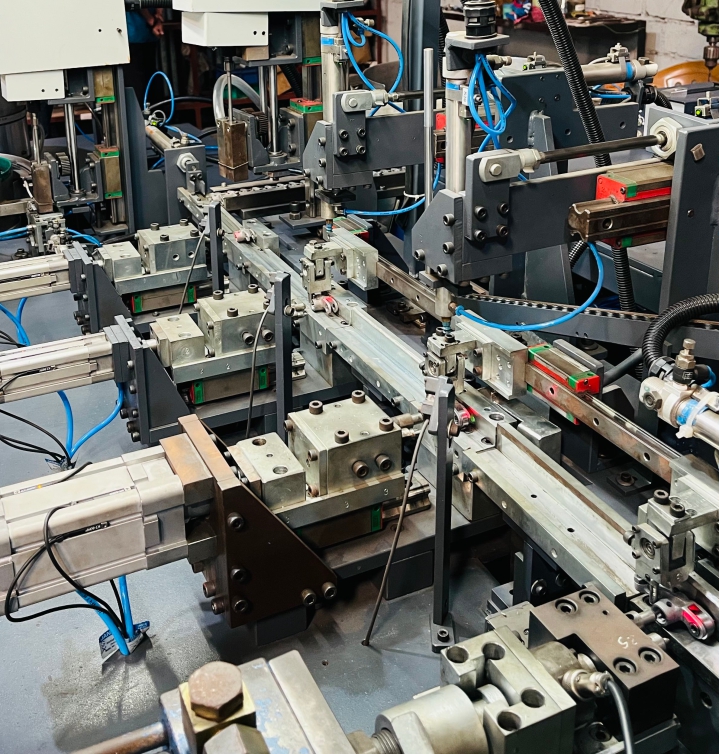
Auto Assembly Lines

An automatic assembly line is a mechanized production system where parts and components are assembled into finished products through a sequence of automated operations.

Automatic assembly lines are used in engineering industries to streamline production by integrating machines, conveyors, robots or gantries, sensors and control systems to assemble products efficiently, accurately and with minimal human intervention.

Benefits:

  • High production speed and throughput
  • Consistent quality and reduced error rate
  • Lower labor costs and improved workplace safety
  • Real-time monitoring and traceability through smart control systems
  • Flexibility for product variation through programmable setups

Areas:

  • Cam Shaft Assembly
  • Rocker Arm Assembly
  • Tool Holder Assembly
  • Housing Unit Assembly

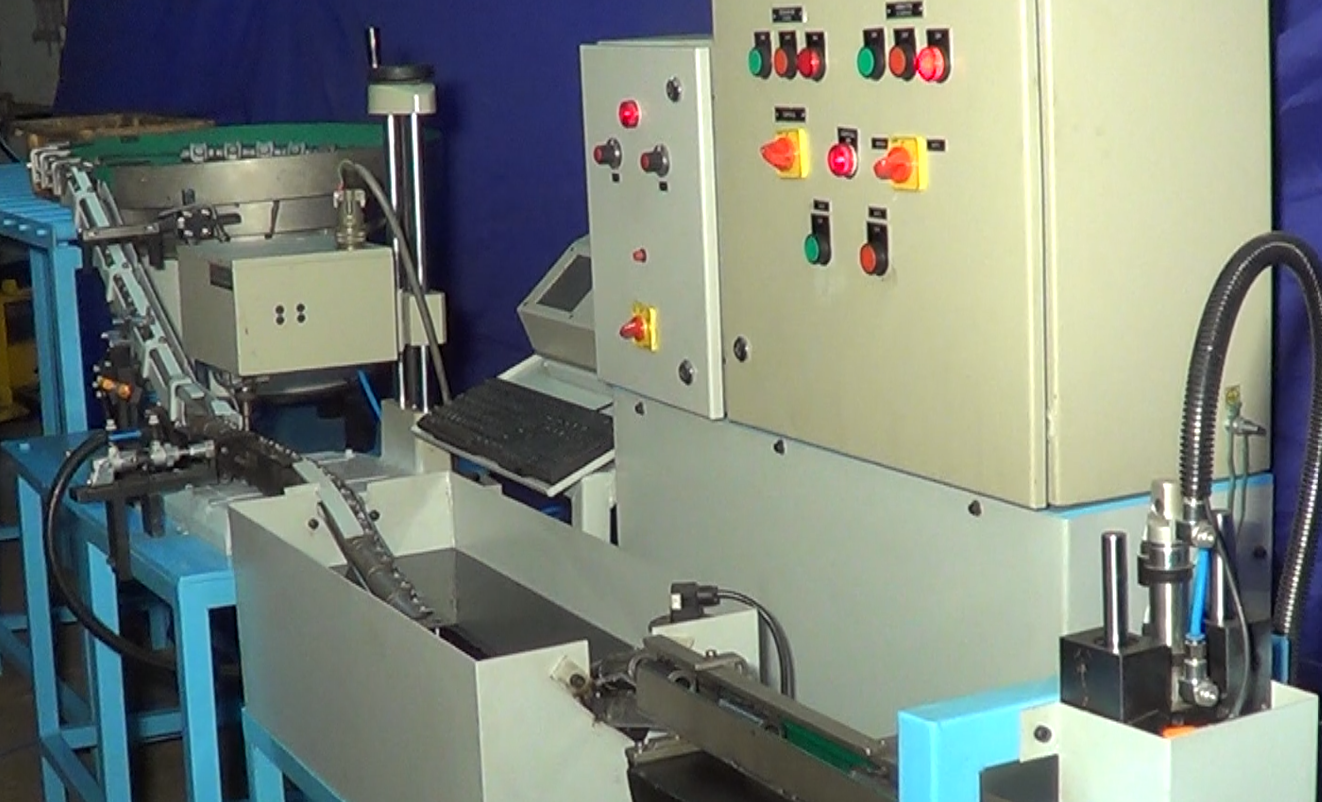
Auto Transfer Lines

An Automatic Transfer Line is a highly automated manufacturing system where workpieces are transferred automatically from one machining or assembly station to another through a fixed sequence of operations. Each station performs a specific task such as drilling, milling, turning and assembly in a continuous and synchronized manner.

These lines are production systems that use a series of interconnected machines and conveyors to perform sequential machining or assembly operations automatically, ensuring high productivity and consistent quality.

Benefits:

  • High Production Rate: Continuous flow reduces idle time and boosts output.
  • Precision & Consistency: Automated control ensures uniform machining quality.
  • Reduced Labor Dependency: Minimal manual handling improves efficiency and safety.
  • Integration Capabilities: Easily integrated with robotic loading/unloading and quality inspection systems.
  • Cost Efficiency: Ideal for large-scale, mass-production of standardized parts.